Al Roker’s Health Journey Continues to Inspire Viewers After Years of Serious Medical Challenges
A Familiar Television Presence With a Remarkable Story of Resilience
For decades, Al Roker has been one of the most recognizable personalities on American morning television, bringing weather forecasts, humor, interviews, and an unmistakable warmth to viewers across the country.
His longtime presence on the Today show helped transform him from a television meteorologist into something far more personal for many viewers. Families became accustomed to seeing him during their morning routines, and his upbeat personality made him a comforting presence through changing seasons, major news events, and memorable moments in television history.
Behind that cheerful public image, however, Roker has also endured a number of serious health challenges that temporarily forced him away from the television studio and raised concern among viewers who had followed him for years.
Those experiences have become an important part of his public story, revealing a level of determination that extends far beyond his work in front of the camera.
A Career That Became Part of America’s Morning Routine
Roker built his reputation through years of broadcasting and gradually became one of the most familiar faces associated with morning television.
His role went beyond simply explaining temperatures, storms, or changing weather conditions.
He became known for his humor, conversations with colleagues, enthusiasm during live segments, and ability to make viewers feel as though they were watching someone they already knew.
That connection helped create an unusually loyal audience.
For many people, seeing Roker on television became part of the normal rhythm of the morning.
That familiarity also explains why any prolonged absence immediately attracts attention.
Serious Health Problems Forced Him Away From Television
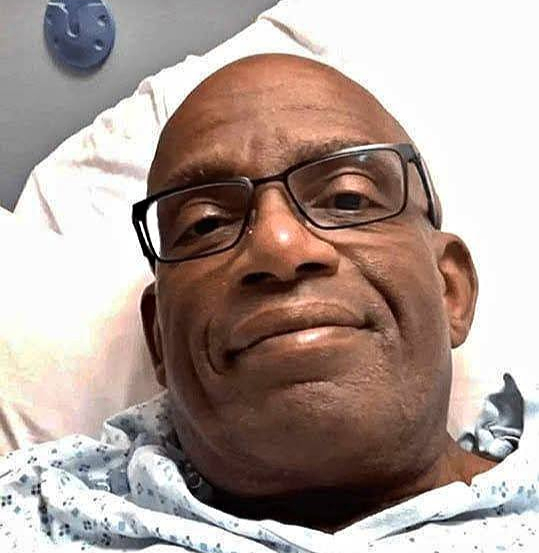
One of the most difficult periods in Roker’s recent life came when serious medical problems required hospitalization and time away from his broadcasting responsibilities.
Viewers became concerned after learning that he had experienced blood clots and complications serious enough to require extensive medical care.
The situation was particularly alarming because Roker had spent so much of his career appearing energetic, positive, and constantly active.
Suddenly, the familiar television personality was facing a medical crisis that could not simply be handled between broadcasts.
He needed time away from work to focus on treatment and recovery.
Blood Clots Became Part of a Difficult Medical Crisis
The health emergency involving blood clots became one of the most widely discussed challenges of Roker’s life.
The condition required hospitalization and led to additional medical concerns.
His absence from the Today show was noticeable, and viewers quickly began asking when he might return.
For someone who had been such a consistent presence on television, his absence created an immediate sense that something serious was happening.
Support from viewers and colleagues grew as details about the situation became known.
Complications Made Recovery More Difficult
Roker’s health problems were not limited to one simple diagnosis or brief hospital stay.
Complications extended the recovery process and required significant medical attention.
Internal bleeding and the need for medical procedures added to the seriousness of the situation.
The physical impact of repeated treatment meant that returning immediately to his previous schedule was not realistic.
Recovery required patience, rest, and careful monitoring.
For viewers accustomed to seeing him almost every morning, that extended absence naturally created anxiety.
His Return Carried Special Meaning for Viewers
When Roker eventually returned to television, the moment represented more than a typical return from vacation or time away.
For many longtime viewers, seeing him back on screen signaled that he had successfully moved through one of the most challenging periods of his health journey.
His familiar smile and sense of humor offered reassurance after weeks of concern.
Rather than presenting himself only as someone who had been seriously ill, Roker returned with the same warmth that had defined much of his career.
That ability to reconnect with viewers became another example of the optimism people had associated with him for decades.
Recovery Did Not Erase the Seriousness of What Happened
A return to television can sometimes create the impression that a health crisis has completely ended.
In reality, major medical events often require ongoing care even after the most visible emergency has passed.
Roker’s experience highlighted the difference between being well enough to return to work and forgetting that the body has endured something significant.
The recovery process itself became part of the story.
Returning gradually and listening to physical limits became just as important as reaching the point where he could appear on camera again.
Public Concern Can Quickly Turn Into Speculation
Because Roker is such a familiar public figure, even small changes in his appearances can attract attention.
An unexpected absence, a tired moment, or a change in his usual television schedule can lead viewers to wonder whether another medical problem has occurred.
Social media can intensify those concerns quickly.
A single observation can become a rumor, and a rumor can be repeated until it begins to sound more serious than the information actually available.
This can create unnecessary panic around a public figure whose health history is already well known.
Sensational Claims Can Make Concern More Difficult to Understand
Health stories involving famous people frequently become exaggerated as they spread online.
Because Roker has previously faced genuinely serious medical problems, dramatic rumors about his condition can appear believable to viewers who remember those earlier events.
That creates an environment in which speculation can move faster than reliable information.
Concern for someone’s well-being is understandable.
But the existence of a previous health crisis does not automatically mean that every rumor about a new emergency is accurate.
His Career Has Always Required Enormous Energy
Morning television is physically demanding in ways that are not always obvious to viewers.
Broadcast schedules begin early, live television requires constant concentration, and major events can create long working days.
Roker built a career while maintaining that demanding pace for decades.
He has appeared outdoors in difficult weather, traveled for major broadcasts, participated in special events, and maintained the energy expected from a nationally recognized television personality.
That sustained workload makes his ability to continue working after serious medical setbacks especially notable.
His Health Story Began Long Before the Recent Hospitalizations
Roker has spoken openly about personal health challenges for many years.
One of the most significant chapters involved his decision to undergo gastric bypass surgery.
His willingness to discuss that experience publicly brought attention to weight, health, and the complicated personal decisions people sometimes make when trying to improve their well-being.
By sharing his own struggles rather than hiding them, Roker made health part of the larger conversation surrounding his public life.
Talking About Weight Made His Story More Personal
Many television personalities keep health struggles private, but Roker has frequently spoken about his own experiences.
His decision to discuss weight loss, surgery, and lifestyle changes allowed viewers to see a side of him that was more vulnerable than his cheerful television image might suggest.
That honesty resonated with people dealing with similar challenges.
Instead of presenting health as a simple matter of willpower, his journey reflected the reality that improvement can involve major decisions, setbacks, and long-term effort.
His Optimism Became Part of His Public Identity
Roker’s positive personality has always been one of his defining characteristics.
Even when discussing difficult experiences, he often finds room for humor or gratitude.
That quality helped viewers connect with him during his medical recovery.
People who had watched him bring energy to morning television for years were suddenly watching him apply that same determination to something much more personal.
His resilience became part of the reason so many people followed his recovery so closely.
Colleagues Have Shared the Concern of Viewers
Roker’s relationships with his television colleagues also contributed to the emotional response surrounding his health problems.
After years of working together, the connections visible on screen extend beyond simple professional interaction.
When he was absent for medical reasons, his colleagues regularly acknowledged how much they missed him.
That public concern reinforced how important he had become not only to viewers but also to the people who shared the studio with him.
A Television Career Spanning Decades Creates a Special Bond
Few broadcasters remain visible long enough to become associated with multiple generations of viewers.
Roker’s longevity allowed him to build that type of connection.
Some people grew up watching him and continued watching years later with their own families.
That continuity creates an emotional investment that extends beyond ordinary celebrity interest.
When someone has appeared in people’s homes through television for decades, concern about that person’s health can feel surprisingly personal.
His Influence Reaches Beyond Weather Forecasts
Although weather reporting remains central to Roker’s television identity, his career expanded far beyond meteorology.
He became involved in interviews, cooking segments, major celebrations, special broadcasts, and public events.
His personality allowed him to move naturally between serious news and lighter entertainment.
That versatility helped make him a central figure within the Today show rather than simply a specialist appearing for one segment.
Health Challenges Changed How Many Viewers Saw Him
Before his hospitalizations, viewers primarily associated Roker with energy and humor.
His medical struggles added another dimension to that public image.
He became an example of someone facing vulnerability while still maintaining hope.
For people experiencing their own medical problems, that visibility can be meaningful.
Seeing a familiar public figure acknowledge difficult health realities can make private struggles feel less isolating.
Resilience Does Not Mean Ignoring Physical Limits
Roker’s journey also demonstrates that determination does not require pretending that illness does not exist.
During serious health challenges, stepping away from work became necessary.
The familiar broadcaster who had spent decades reliably appearing on television had to accept that recovery required time.
That willingness to temporarily prioritize health was part of the process that eventually allowed him to return.
Viewers Continue to Watch Closely
Because of his medical history, fans naturally pay close attention whenever Roker misses an appearance or discusses his health.
That concern reflects affection, but it can also produce exaggerated interpretations.
A day away from television does not automatically indicate a major crisis.
At the same time, Roker’s previous experiences have reminded viewers that serious health problems can occur even to people who appear active and energetic.
His Legacy Was Established Long Before Any Health Scare
Whatever challenges Roker faces, his place in television history does not depend on any single moment.
His decades of broadcasting created a career that stretches across major changes in American television.
He became one of the best-known weather personalities in the country and developed a style that blended professionalism with humor and accessibility.
That legacy remains independent of any speculation surrounding his health.
The Human Being Behind the Television Personality
One reason Roker’s medical journey attracts so much attention is that viewers have been allowed to see the person behind the polished broadcast.
He has discussed fear, recovery, weight, family, and the realities of getting older.
Those conversations make it easier for audiences to understand that even someone who appears cheerful every morning can experience serious private challenges.
The television personality and the patient are the same person, even if audiences usually see only one side of that reality.
Concern Should Be Separated From Panic
Roker’s history understandably makes fans protective and attentive.
But concern does not require assuming the worst whenever a rumor appears.
His past medical emergencies were serious enough without additional exaggeration.
The more responsible response is to recognize what he has already survived while avoiding conclusions unsupported by confirmed information.
That allows viewers to remain supportive without allowing speculation to overshadow the person they are trying to support.
His Story Remains One of Endurance
Roker’s health journey contains difficult chapters, but it is also defined by recovery.
He faced significant medical complications, spent time away from work, and returned after receiving treatment.
He has also spent years openly discussing other health decisions and personal changes.
Together, those experiences have made resilience an important part of his public story.
A Connection Built Over More Than Forty Years
The reaction to any news involving Roker demonstrates the strength of the relationship he has built with viewers.
People care because he has been present for so long.
They remember his broadcasts, his jokes, his interviews, and his appearances during moments both ordinary and historic.
That kind of familiarity cannot be created overnight.
It develops through years of consistency.
His Most Important Role May Be the Hope He Represents
Beyond the forecasts, television segments, and career milestones, Roker’s story has become meaningful because of the way he has responded to difficulty.
His willingness to return after serious illness offered viewers a visible example of perseverance.
He did not need to pretend the experience had been easy.
The simple fact that he kept moving forward carried its own message.
The Road Ahead Is About More Than Television
For someone who has spent decades working in a demanding industry, health eventually becomes more important than maintaining a perfect schedule.
Fans may naturally hope to continue seeing Roker on television for years to come.
But the deeper priority remains his ability to care for himself and enjoy the life that exists beyond the studio.
His career has already created a lasting legacy.
Why Al Roker Continues to Matter to Millions
Al Roker became beloved not simply because he could explain the weather.
He became beloved because he brought personality, humor, vulnerability, and consistency to television for decades.
His health challenges revealed another side of that familiar figure.
They showed that the man who spent years reassuring viewers through storms also had storms of his own to navigate.
Through major medical difficulties, recovery, and years of personal health changes, his story has remained centered on resilience.
That is why speculation about his condition can spread so quickly and why viewers respond with such strong emotion.
For millions of people, Roker is more than a broadcaster they occasionally recognize.
He is a familiar part of the morning, a symbol of endurance, and a reminder that even difficult chapters can be followed by another sunrise.